

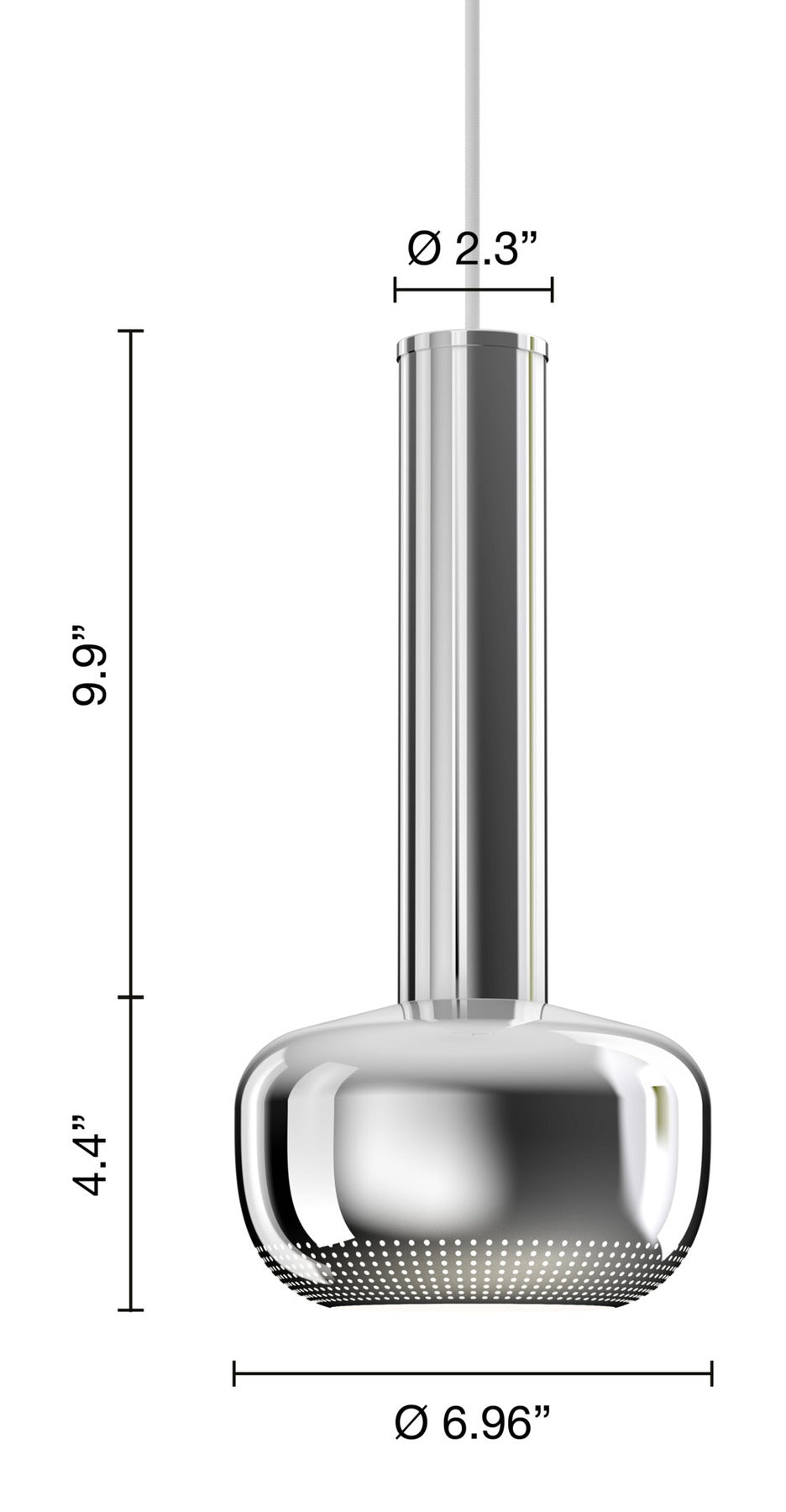
VL 56 Pendant
The well-known functionalist architect, Vilhelm Lauritzen designed the VL 56 Pendant for Folkets Hus, in Vesterbro Copenhagen. Originally designed and built for the Danish Labour Movement, the building opened in 1956 and is now used as a concert hall, called Vega. The building is a gesamtkunstwerk, meaning that Lauritzen designed everything in the building, from doorknobs, staircases and power outlets, to furniture and lamps. The VL 56 Pendant is one of the lamps Vilhelm Lauritzen designed for Vega, and to this day it hangs above the wood-panelled bar, adjacent to the concert hall. Both the chrome and brass variants were reintroduced in 2023, with slight adjustments and improvements.
Notify me when it is back
We will email you when this piece is back in stock.
Thanks, we will email you when it is back in stock.
Sent to . Use a different address
Details
Materials
Shade, tube and lid: Polished brass
Notes
The brass surfaces are untreated and will change over time and develop a patina.
Light Source
E26
Certification
cULus Listed, Dry Location

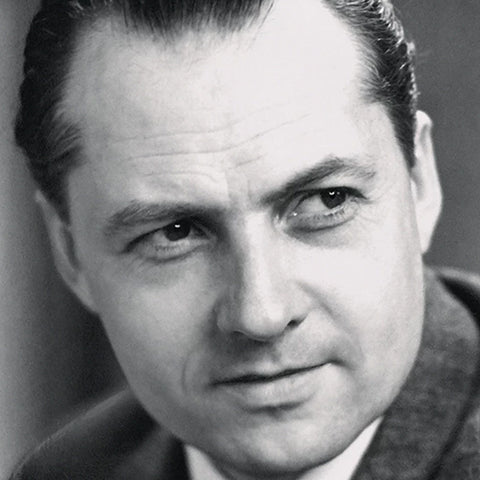
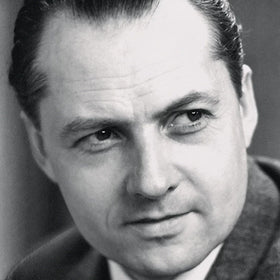
Vilhelm Lauritzen (1894–1984) was a pioneering Danish architect and a key figure in functionalism, known for iconic buildings like Nørrebro Theatre, Radiohuset, and Kastrup Airport. His architectural philosophy centered on the belief that architecture is applied art and essential to life, which he demonstrated through his masterful use of both daylight and artificial lighting. Lauritzen's light fixtures, beginning with the Universal pendant in the late 1920s, combined directed light with diffuse illumination, and many of his designs became part of Louis Poulsen’s collection in the mid-20th century.

Brand
Designer
Vilhelm Lauritzen (1894–1984) was a pioneering Danish architect and a key figure in functionalism, known for iconic buildings like Nørrebro Theatre, Radiohuset, and Kastrup Airport. His architectural philosophy centered on the belief that architecture is applied art and essential to life, which he demonstrated through his masterful use of both daylight and artificial lighting. Lauritzen's light fixtures, beginning with the Universal pendant in the late 1920s, combined directed light with diffuse illumination, and many of his designs became part of Louis Poulsen’s collection in the mid-20th century.